

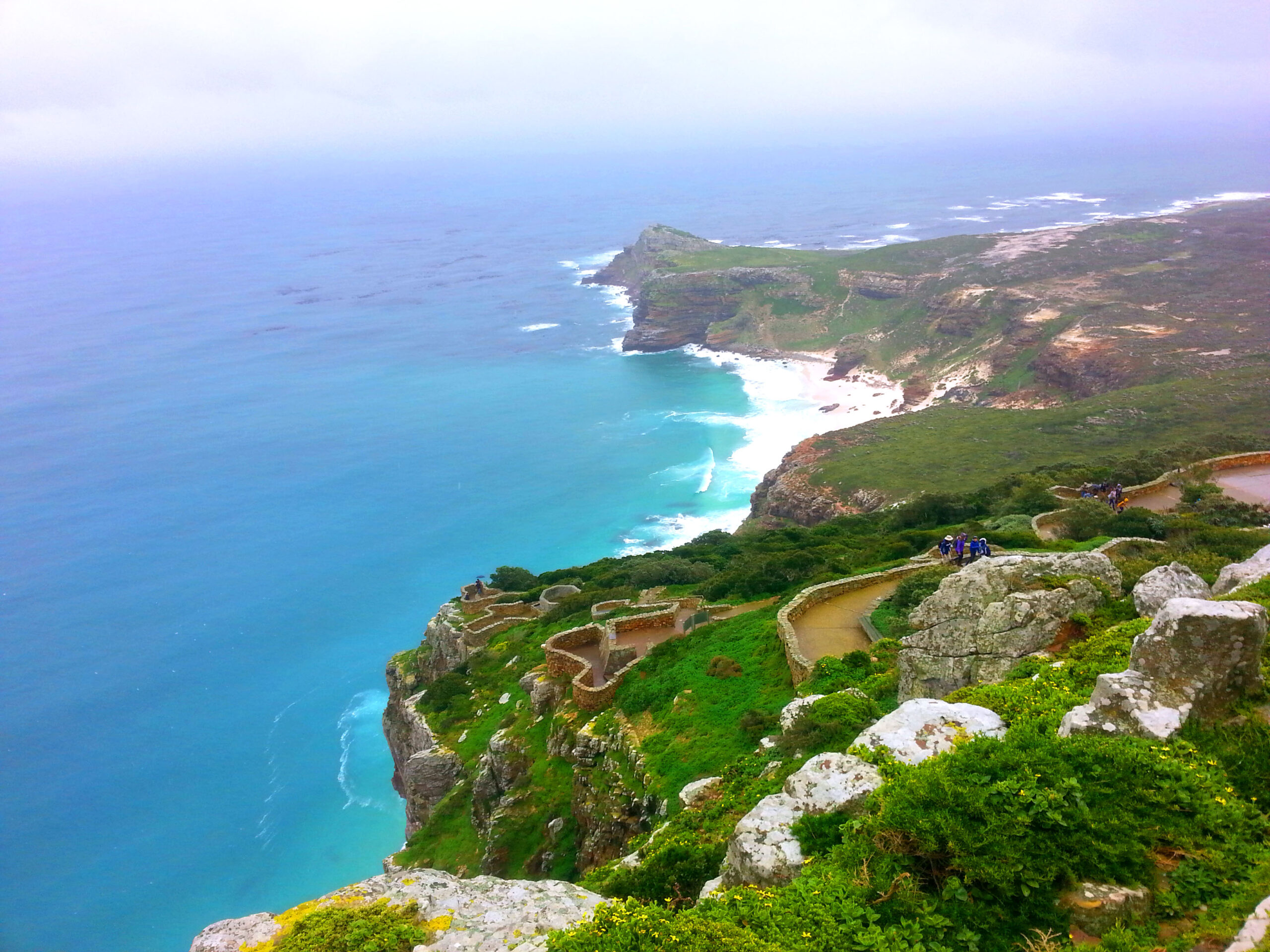

The Cape of Good Hope is a very famous cape on the south-western tip of Africa, where the South Atlantic Ocean meets the Indian Ocean, 50 kilometres north of Cape Town, South Africa. Because of the many storms and rough waves, it was originally called the “Cape of Storms”. 1497 The Portuguese explorer Da Gama led a fleet of ships through the Cape of Good Hope to successfully sail into the Indian Ocean, and King John II of Portugal renamed the Cape of Storms the Cape of Good Hope to indicate that rounding the Cape would bring good luck. In 1939, this place became a nature reserve and the Cape of Good Hope, 2 kilometres to the east, is equipped with a lighthouse. In 1939 this place became a nature reserve, and the Cape of Good Hope, 2 kilometres to the east, had a lighthouse, which could not be used all year round due to the fog at the Cape of Good Hope, and was later converted into a viewing platform, which has become a world famous tourist attraction.
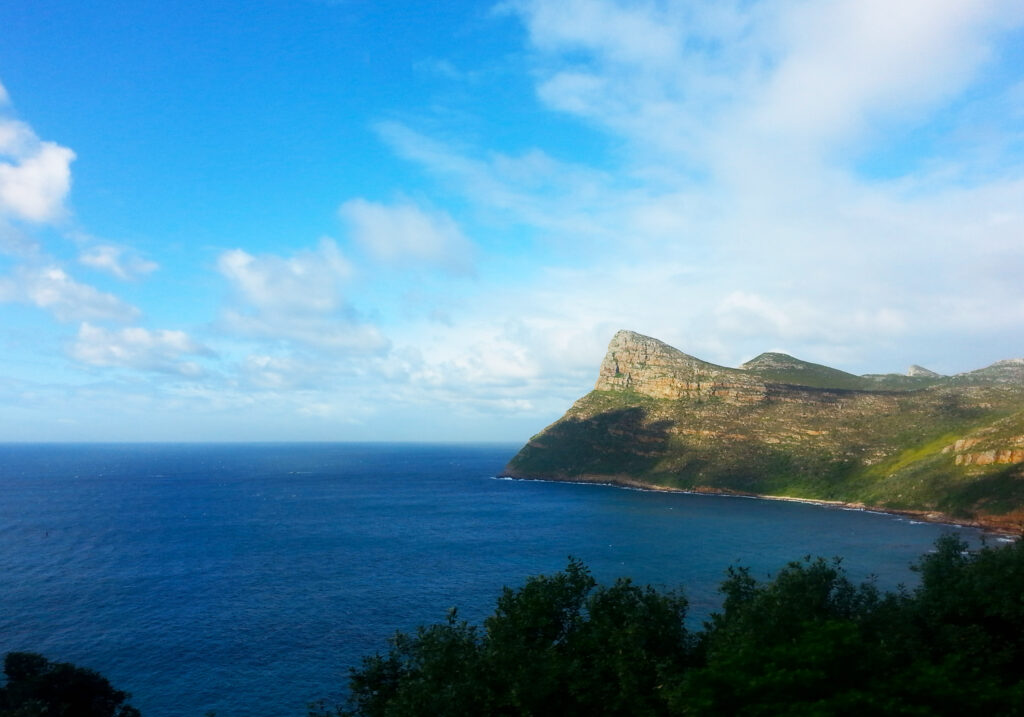
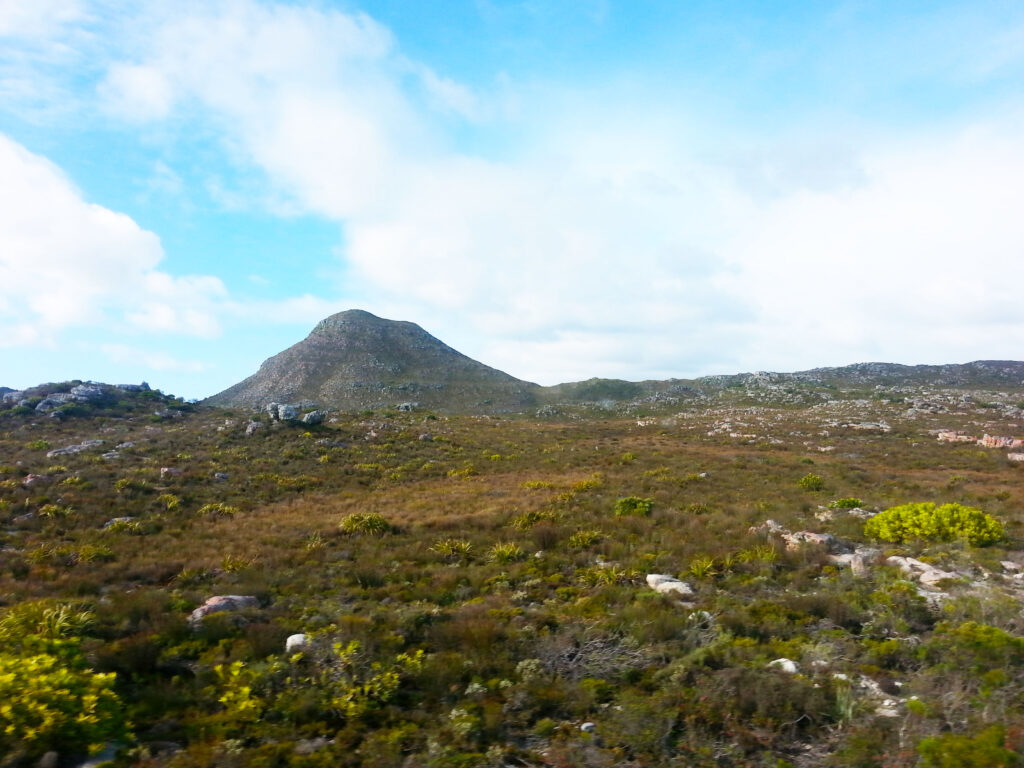
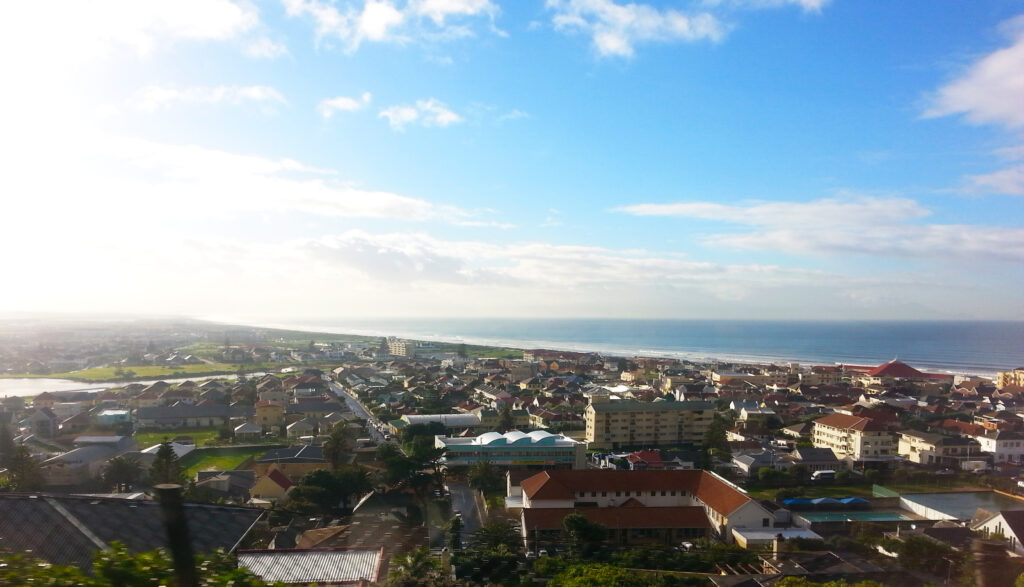
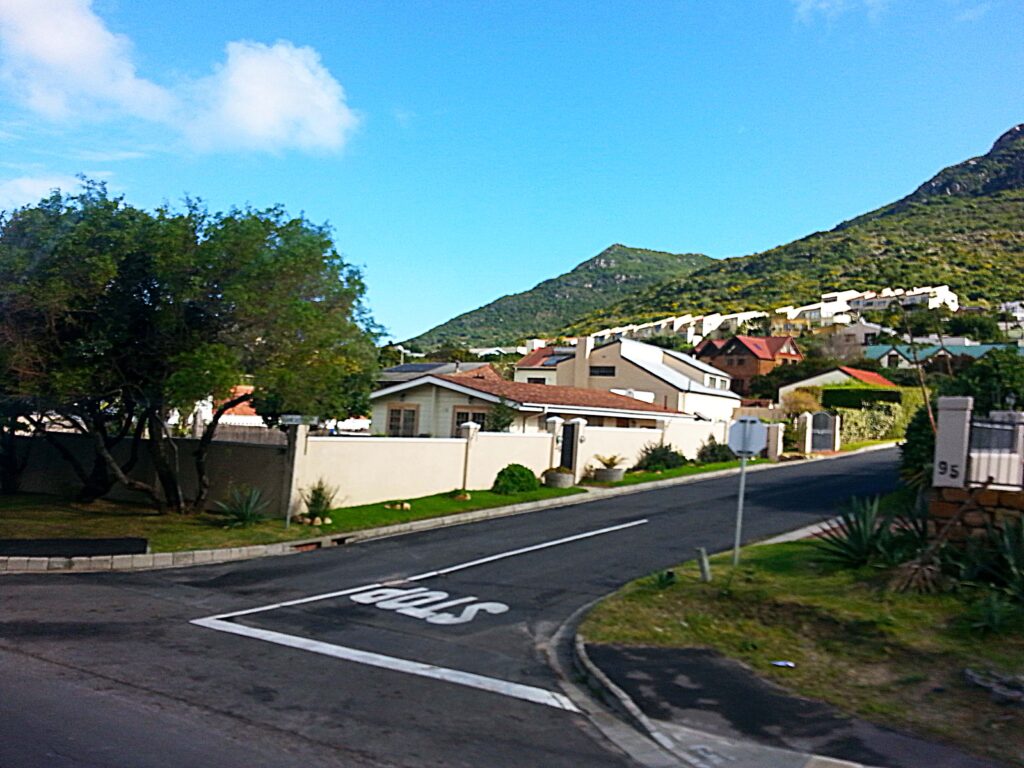
On a sunny morning in August 2014, I set off with my travel agent from my hotel in the centre of Cape Town to the Cape of Good Hope Park. Probably because of the strong winds and heavy rain on the beach, the buildings along the way are mostly small two- and three-storey houses with sloping roofs, of various shapes but planned in an orderly, not cluttered way, and built into the mountains, seeming to have a sense of hierarchy. The blue sea meets the green mountains, the sea is wider, the mountains are more majestic, the mood is like a scroll slowly unfolding, incomparable peace and tranquillity.
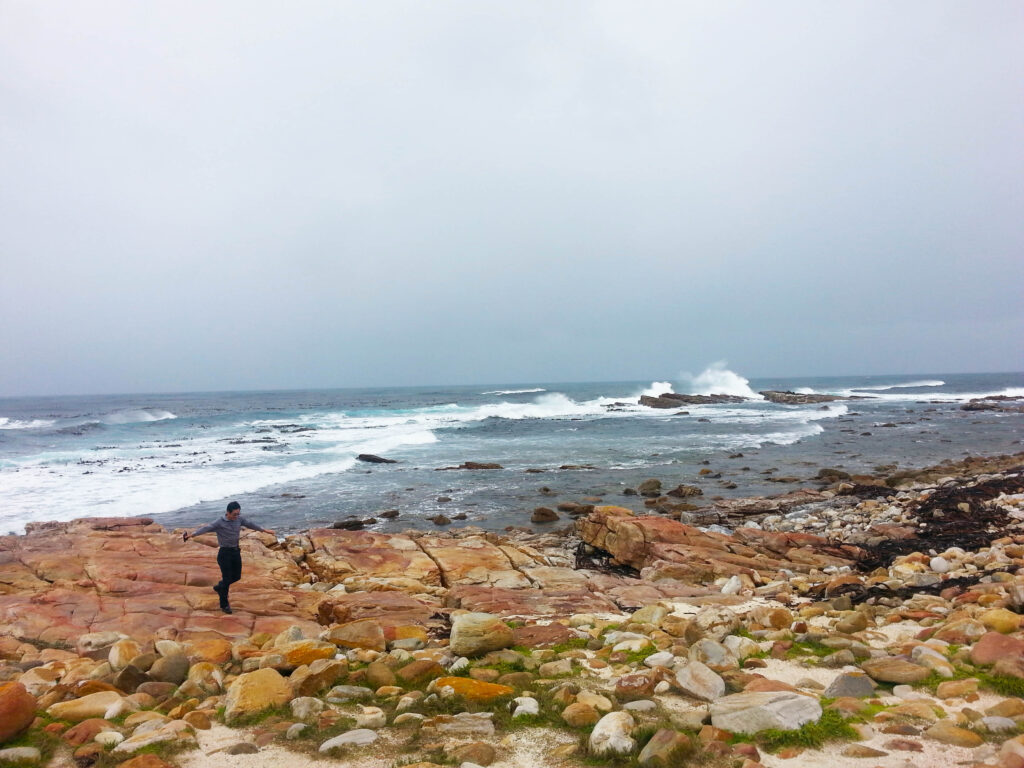
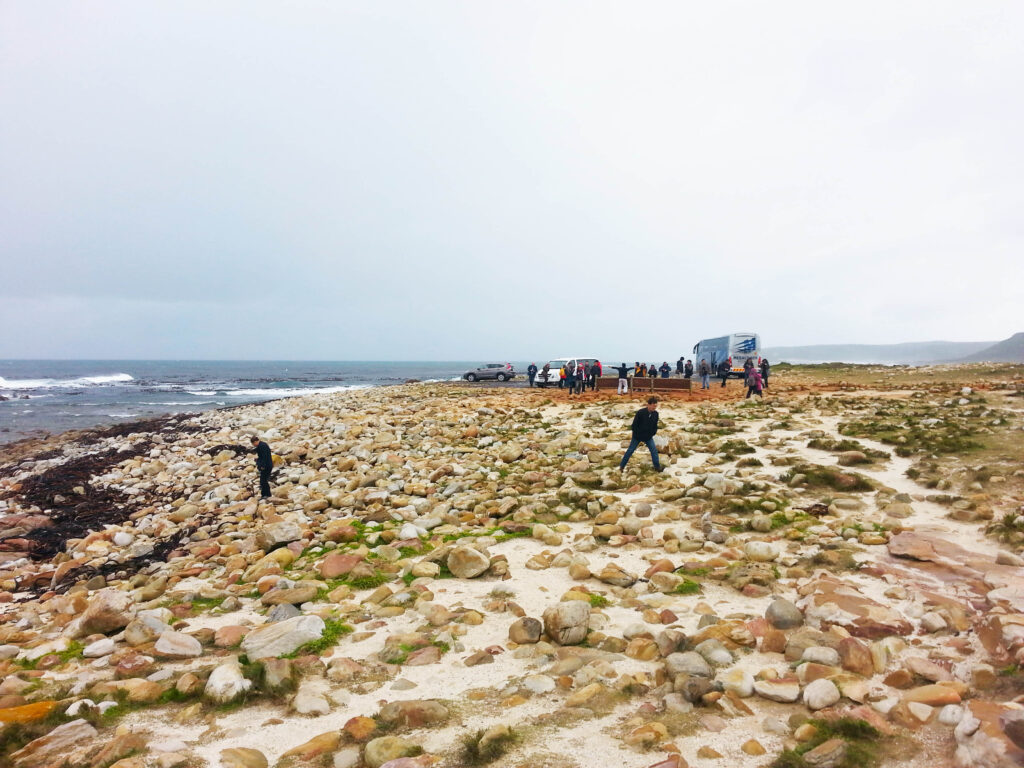
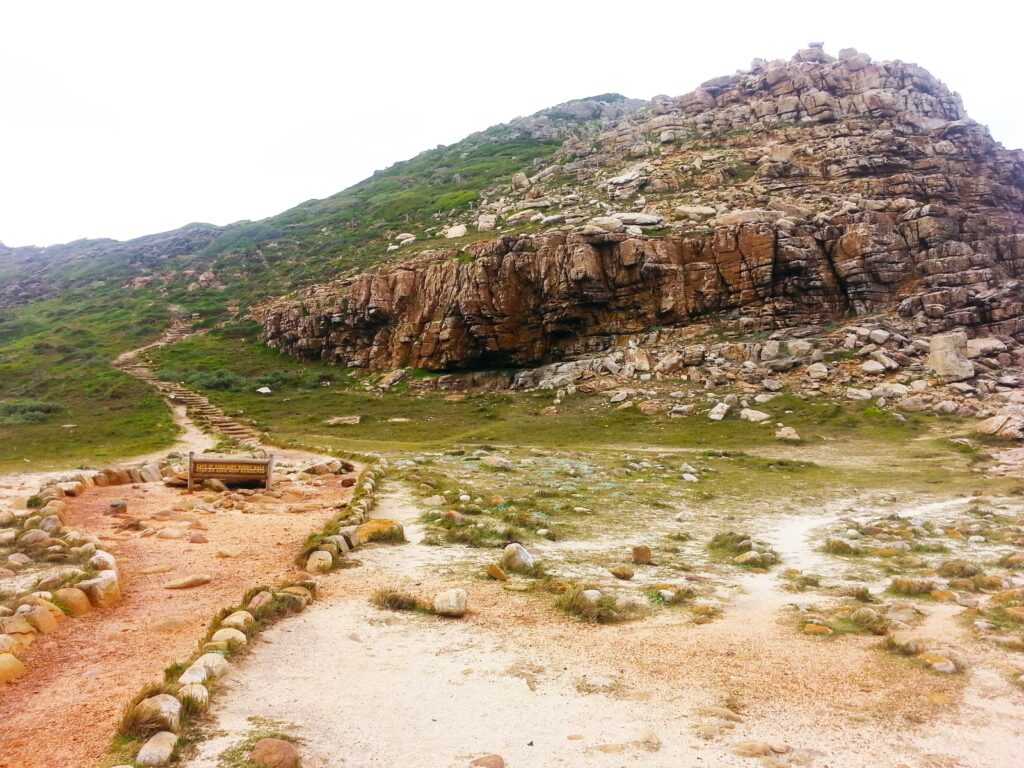
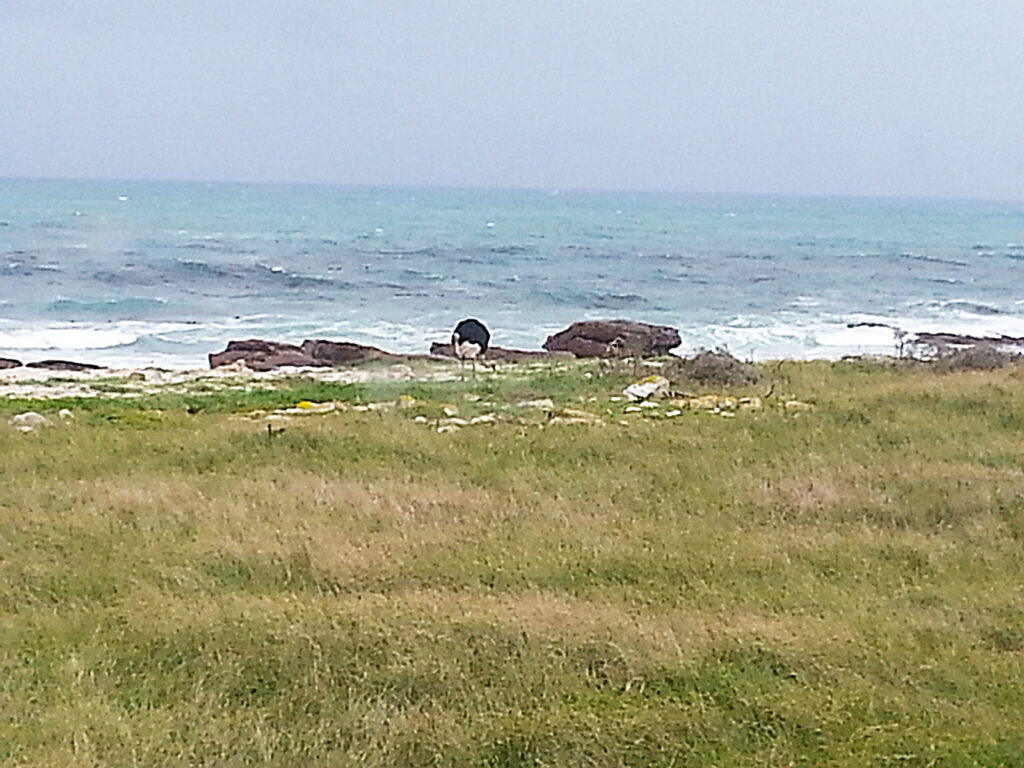
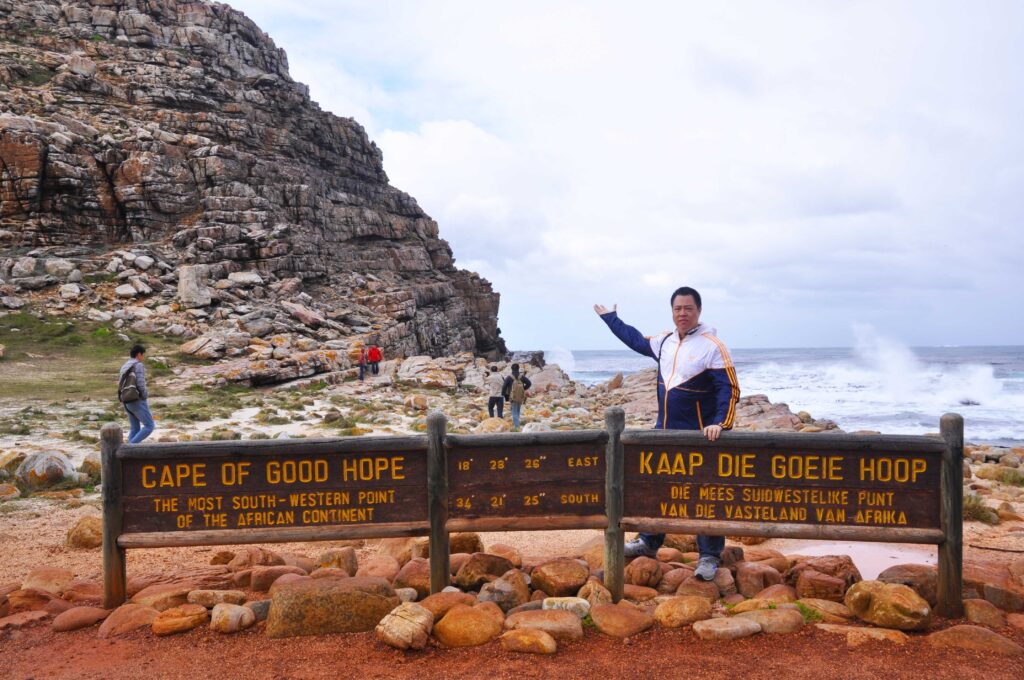
There are two capes in the park – Cape of Good Hope and Cape Point. The beach at Cape of Good Hope is a pebble beach and everyone was jumping happily on the rocks against the sea breeze. On the other side of the beach, large birds were leisurely feeding in the middle of the day. The signs remind us that the Cape of Good Hope walking trail leads to the top of the hill. The most prominent corner by the sea is the Cape of Good Hope, which marks the boundary between the Atlantic and Indian Oceans. The Cape sits on a rocky hill, with a sea breeze, big waves crashing against the cliffs, water splashing and people around covered in spray, making it difficult to open their eyes. My body hasn’t adapted to the climate here,so my lips were dry, but I was so excited to be at the Cape of Good Hope that I tried to grin and take a photo in front of the notice board.
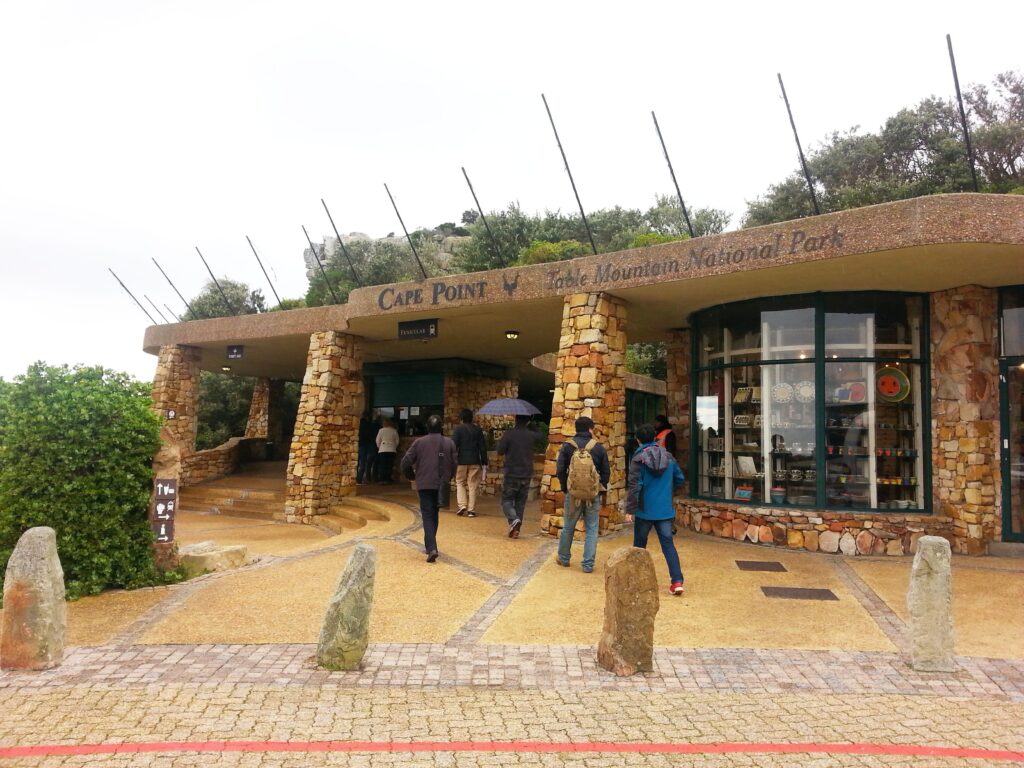
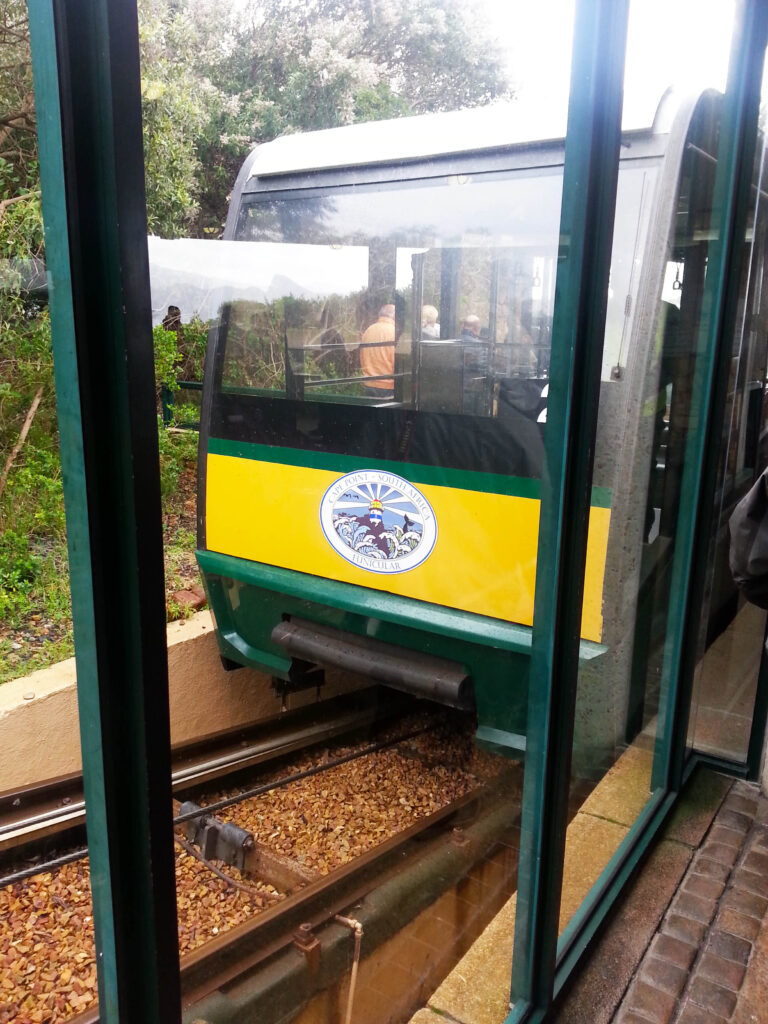
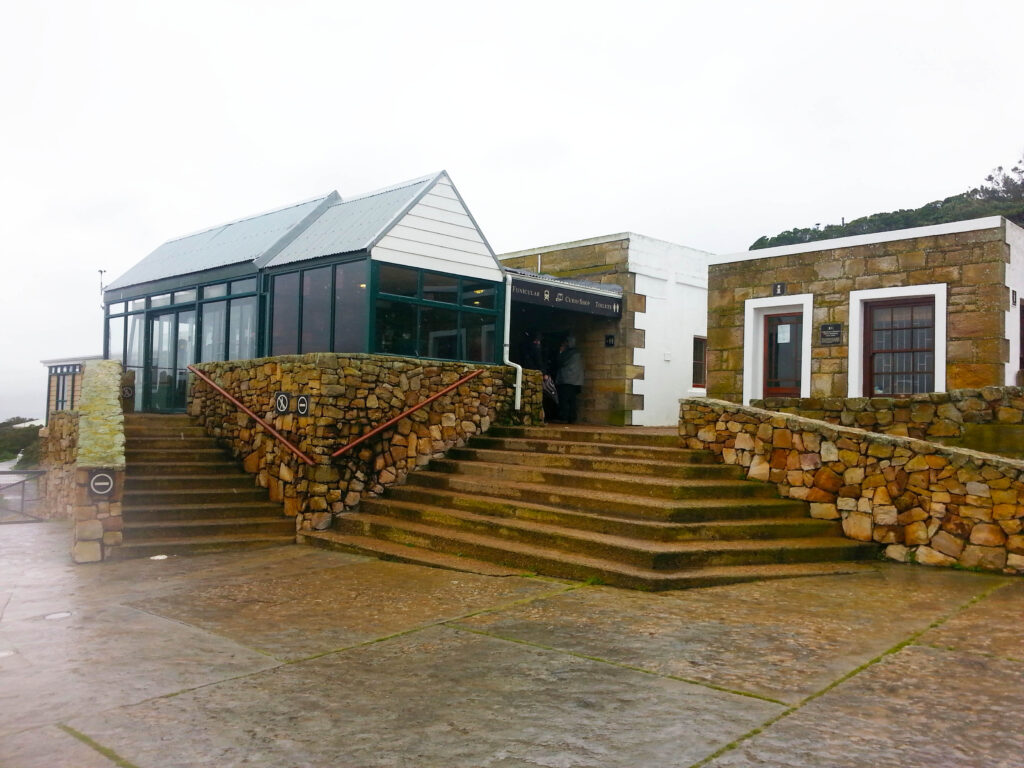
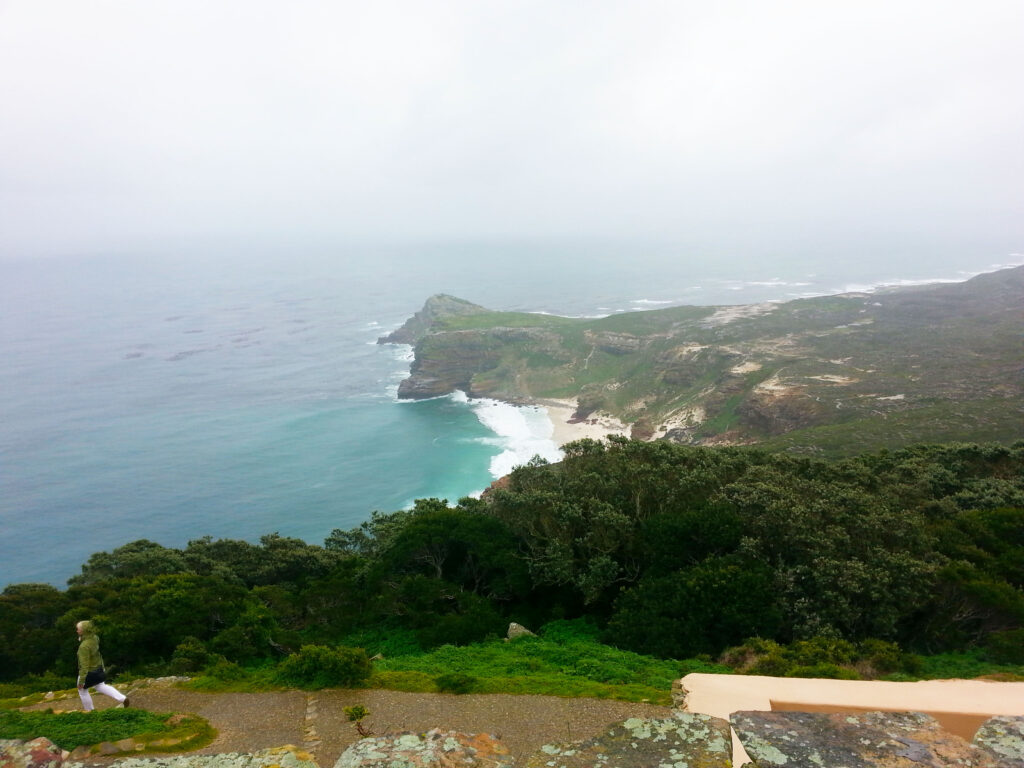
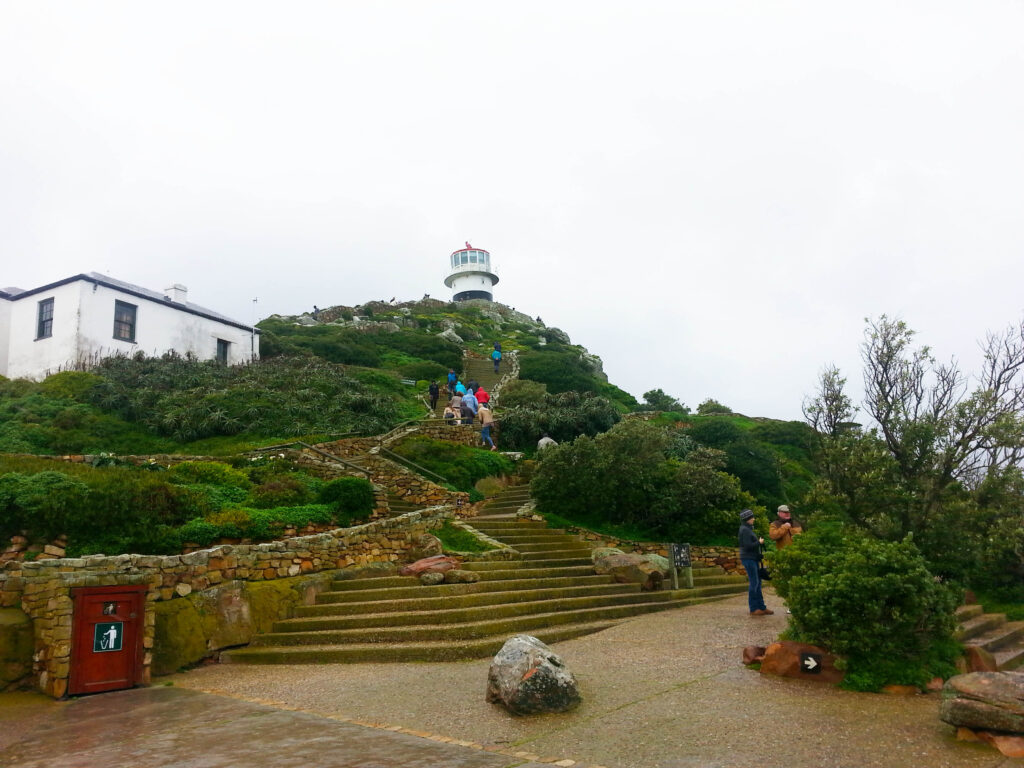
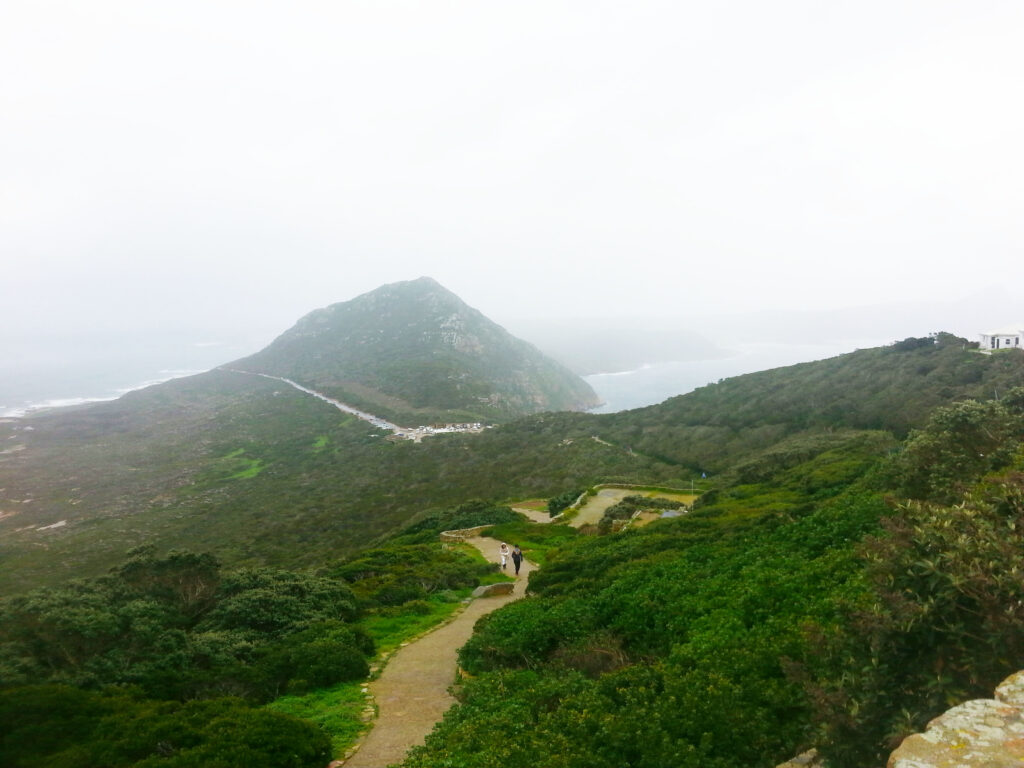
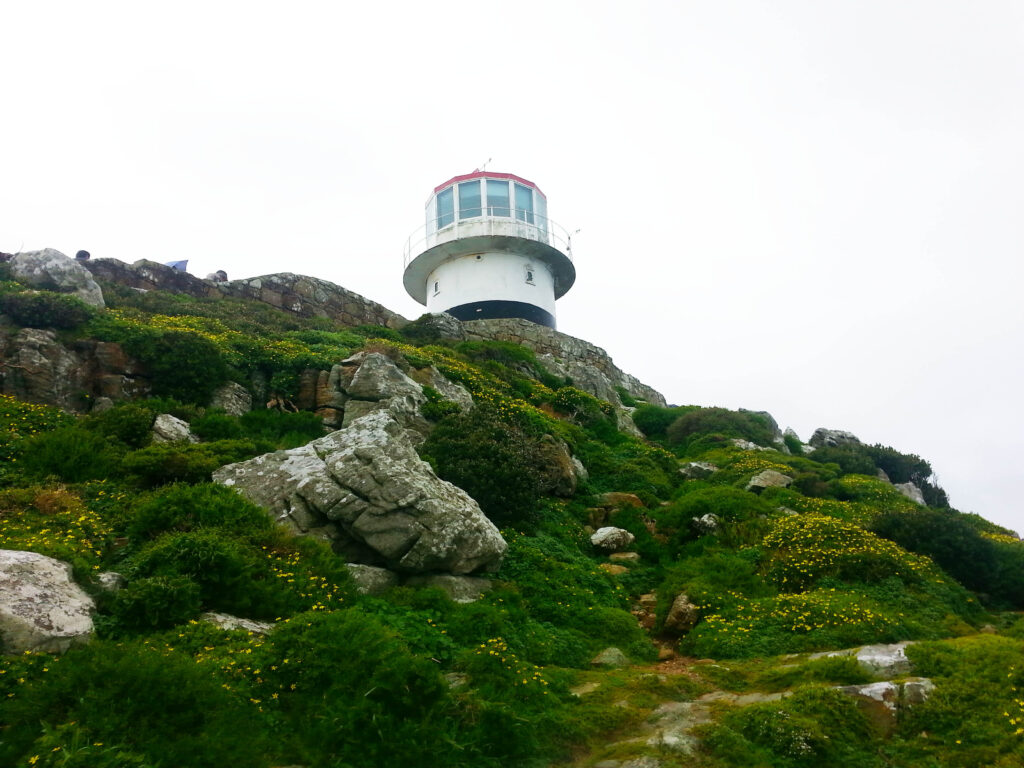
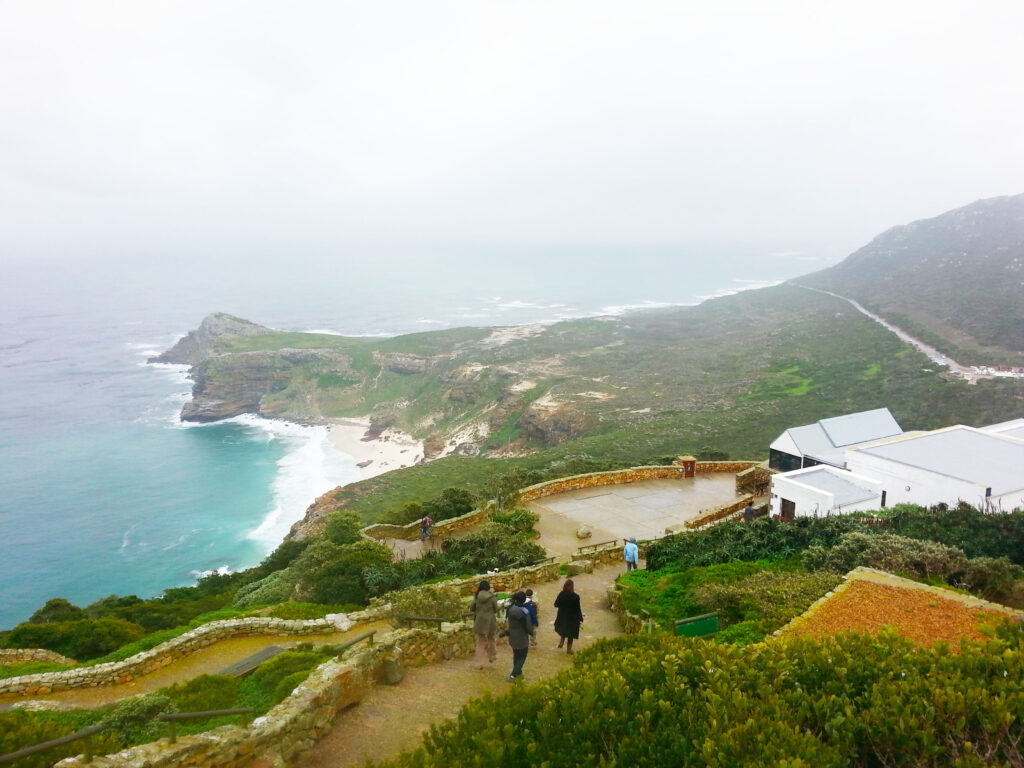
The park’s buildings and landscaping are mainly made from original local materials to keep the scenic area environmentally friendly. Take the cable car at the Cape Point entrance to the Lighthouse Viewpoint, get off and walk a short distance up the hill. The stonewalk winds its way up the hill, surrounded by lush greenery, and with the drizzle on the way, look back and the scenery ahead is even more hazy and beautiful.
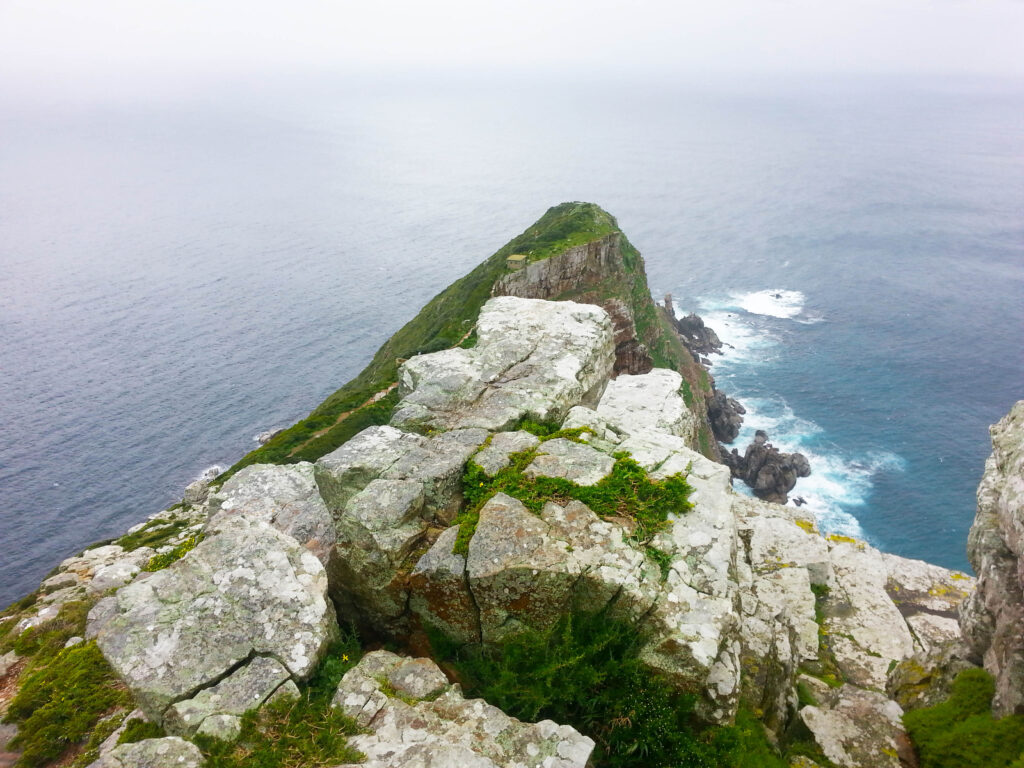
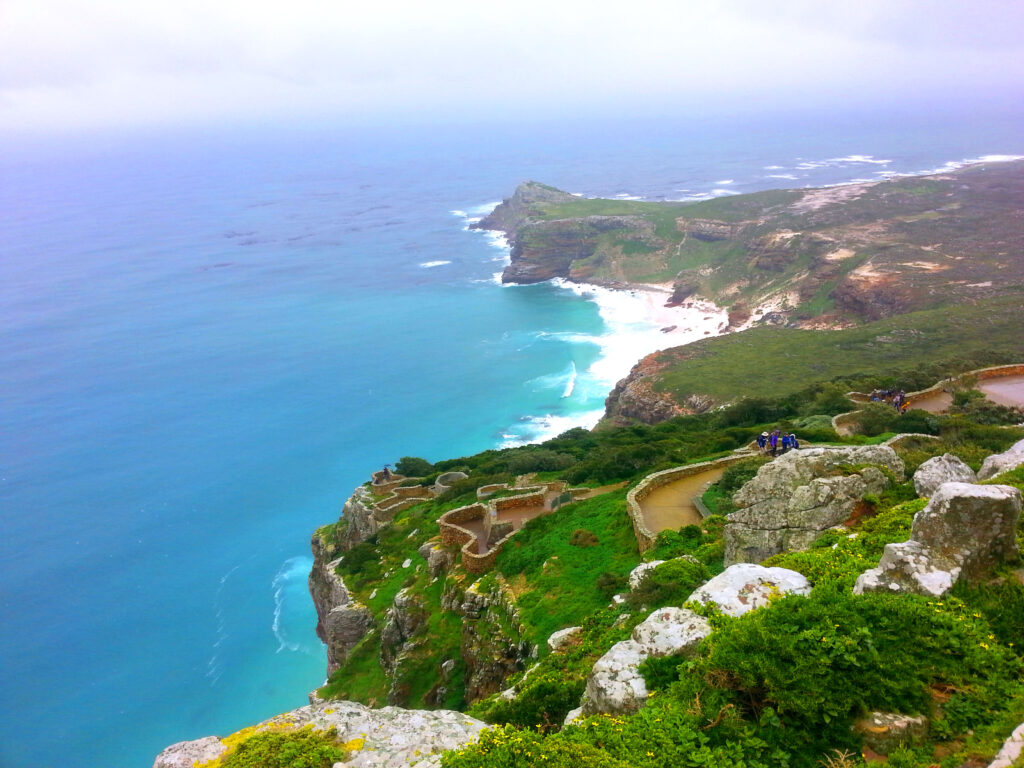
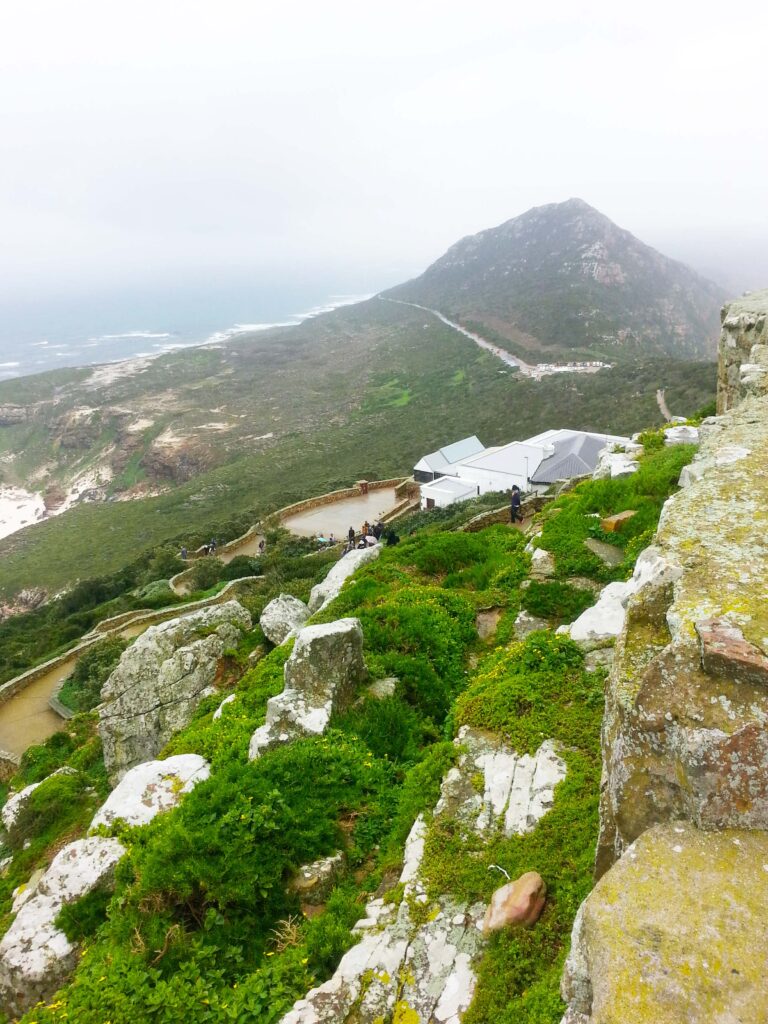
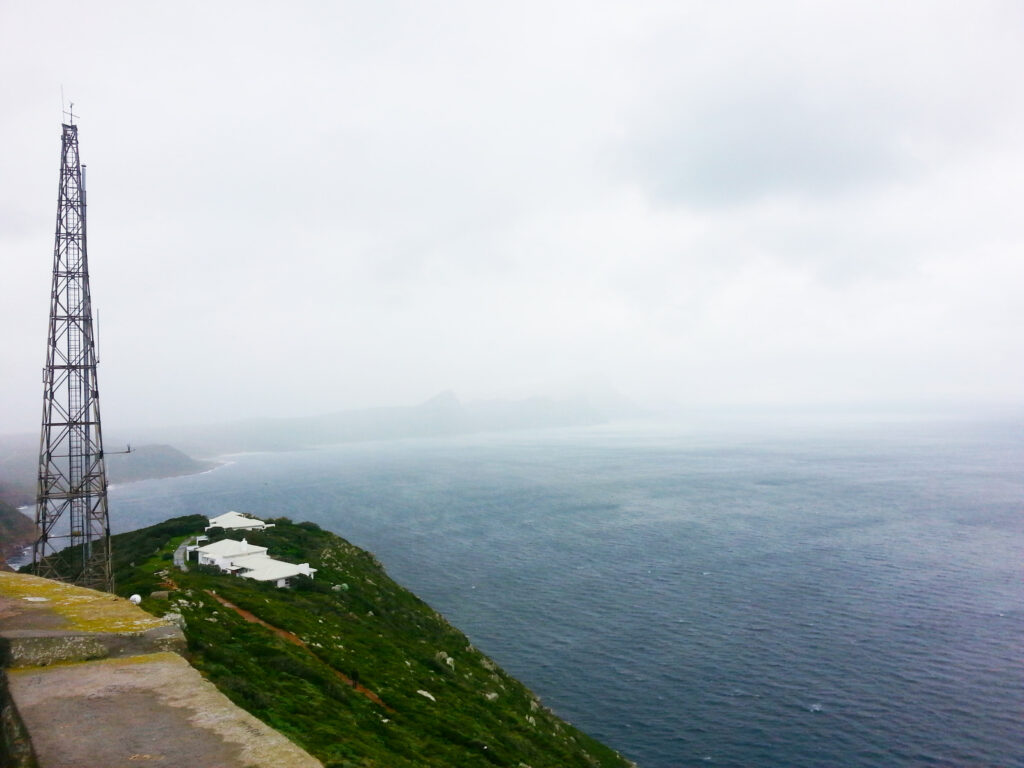
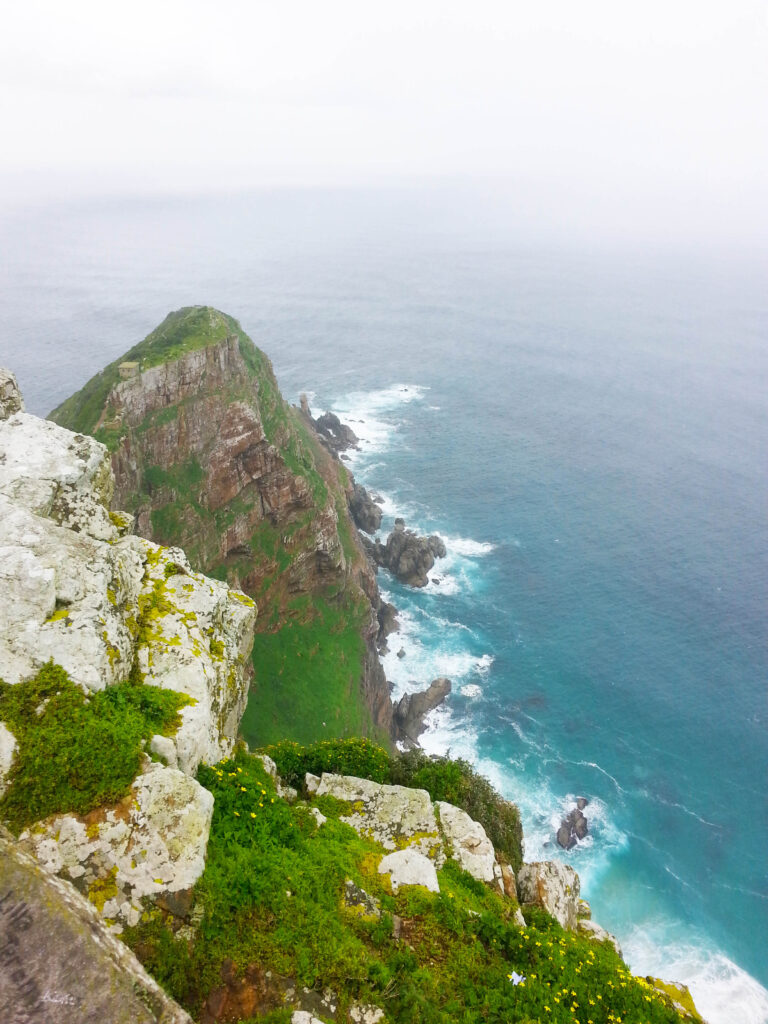
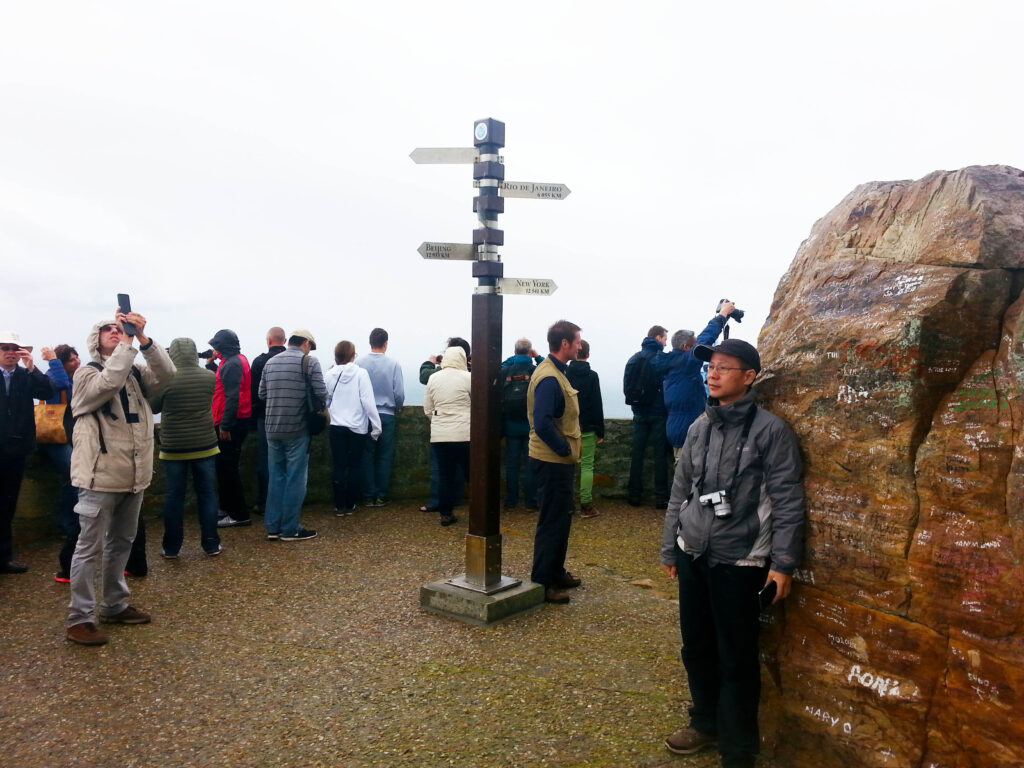
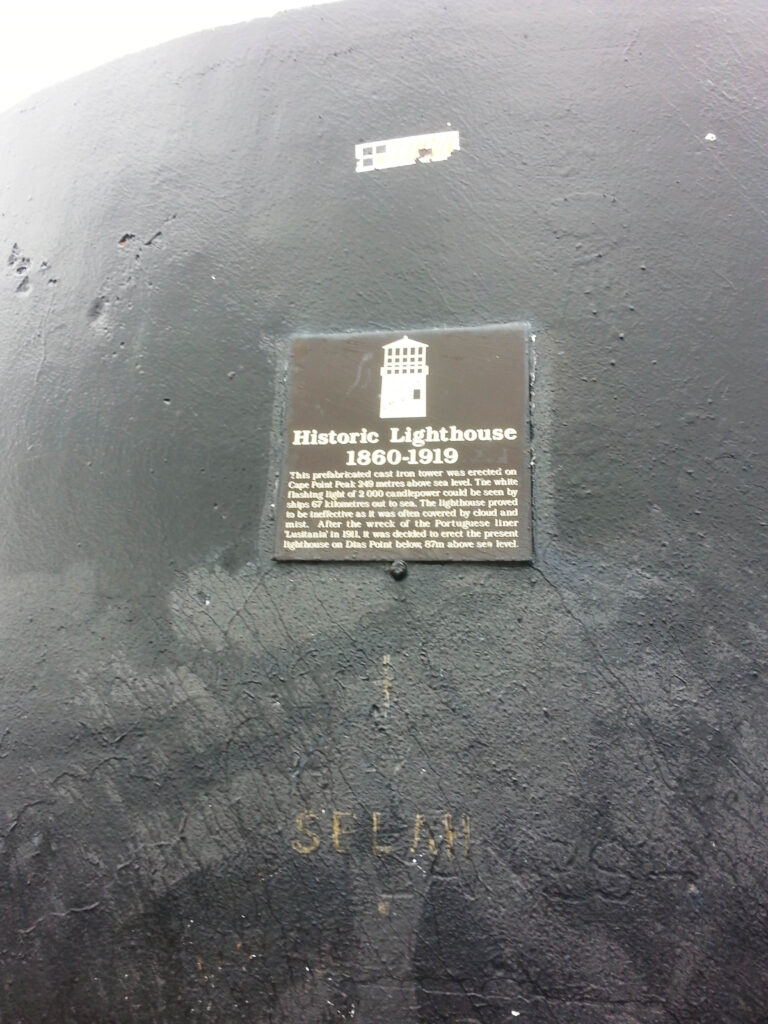
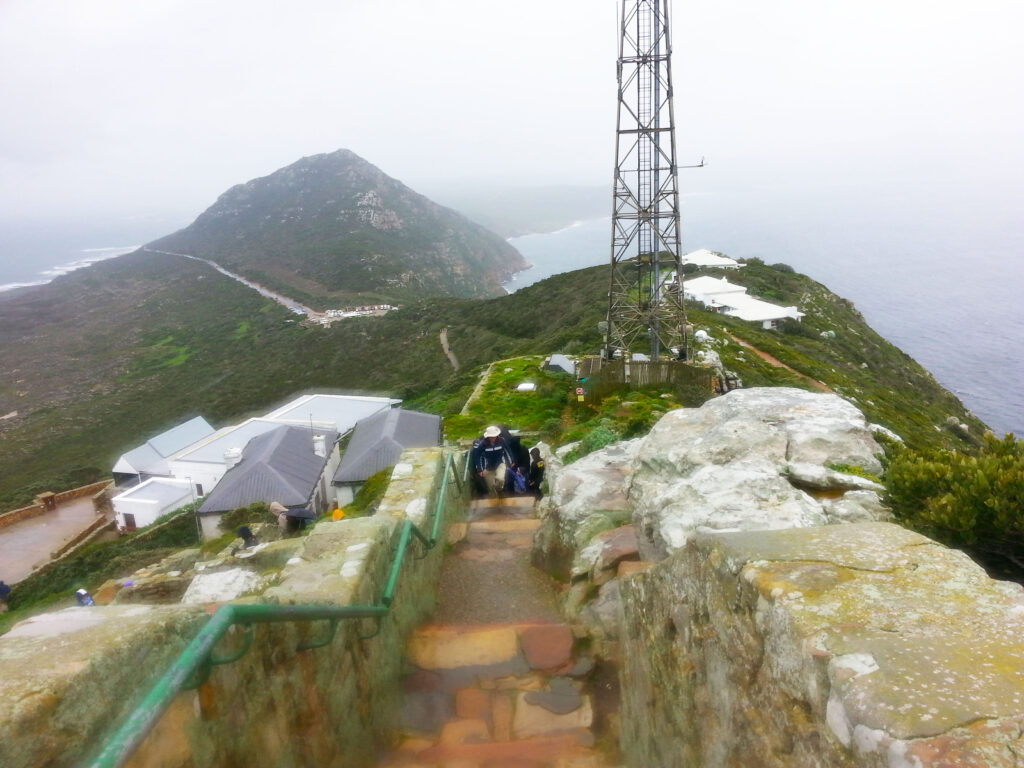
Having finally climbed to the highest point of Cape Point, I seem to have arrived at the end of the continental world, the ocean here is really super wide and blue. Looking along the Cape of Good Hope Point, to the left is the calm Indian Ocean, to the right is the turbulent Atlantic Ocean, the intersection of the two oceans forming a vague white line, truly a world wonder. Tourists appreciate the view and are eager to be the first to look at the scenery or take photographs. The scale shows the distance to the rest of the world, 12,933 kilometres from Beijing, and the plaque at the base of the lighthouse tells the history of the lighthouse. The rain was getting heavier, the crowds were getting bigger and I had had my fun, so I headed back down the mountain.